
the good page
this episode:
heiko sievers
artist, berlin
draughtsman’s contract
2026

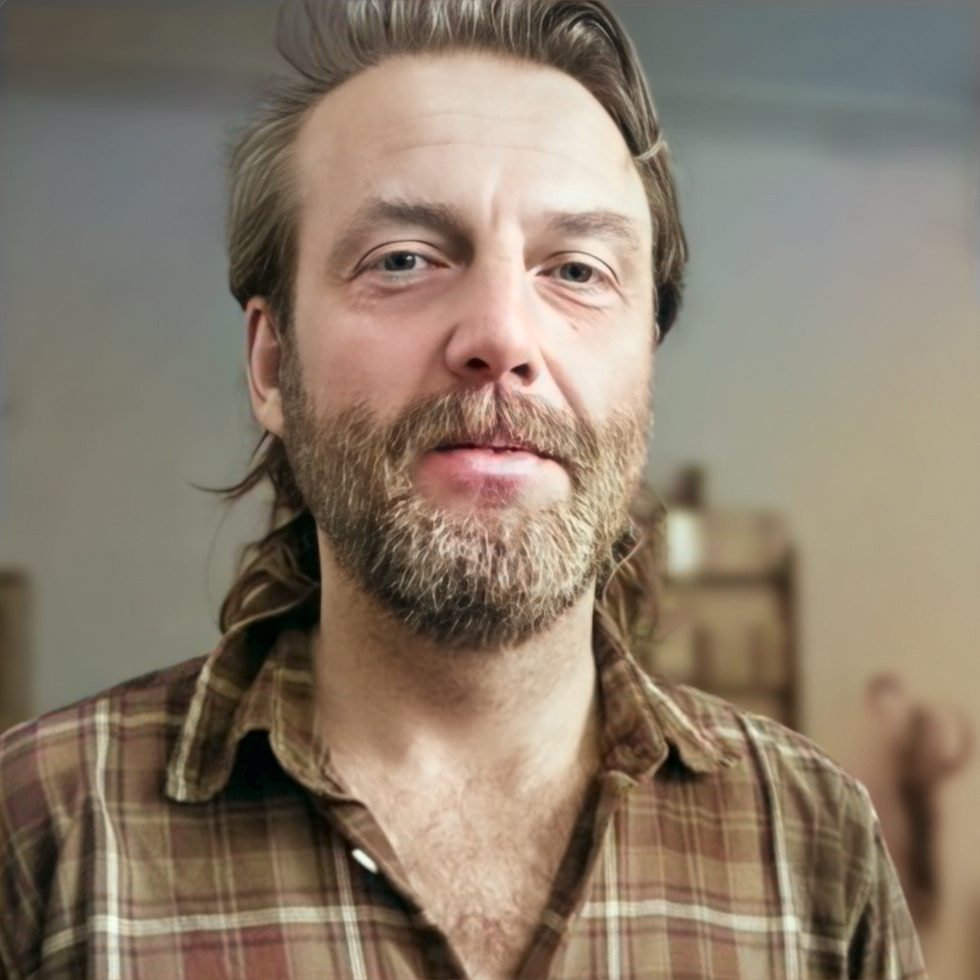
photo © heiko sievers
whether one dances is just as ridiculous a question as what art is. everything seeks its form in movement – the backside here, the mind there, everything flows, so god helps. thus one imagines the ideal artist: he presses his most creative button, and everything wobbles. an entire generation is shaped by this nodding dog on the rear shelf of fuel-guzzling vehicles on the autobahn, on the way home from grandma trude and always just before dozing off – right next to it the crocheted toilet paper roll. whoever, however, manages to count this among the basic stock of their artistic provenance ends up in the outer enclosure of contemporary artistry, and that is then an entirely different story. this brief and sufficient excuse appears again in various texts of the iir, is not meant in a bad way, and thus becomes a quiet but insidious breakwater on brave sand. the playfully meaningless chaining together of endless rows of words in tetris-like fashion can just as well cause a head-rushing itch of the brain lining, and so it is no further malicious subtext to cheekily grant the thesis that sievers heiko simply has a scribbling tic, and that there are surely worse varieties of horrors under this sky – yes, one might well claim that.
thus they flow, the manifold layers of mortar mixed onto stone, and the quickly bricked-up clinker wall forms a new, neat little berlin house of images without a goal – thus the fitting title of a series of drawings cast into words. sievers is in fact a hanseatic native from the hometown of hans albers, whom history carries into the federal capital, where he remains and day after day indulges his passion of putting colorful things onto paper. to spread wool-wrapped toilet products and eternally nodding novelty animal trinkets across the parcel shelf of contemporary art criticism corresponds to a thoroughly viable perception of reality, viewed through the rolled-down passenger window of our memory culture forever traveling the german autobahns. the question of whether something is dance or art is therefore not only absurd, and the involuntary movement of twitching muscles or ignited synapses as innocence pushing toward the naive is formidably cunning and precisely for that reason an applause-worthy main program.
this apparent aimlessness and the refined move of calculated guilelessness set against a conceptually over-elevated art world the sharpened weapon of demonstrative refusal of depth to its stuttering throat. to dismiss one’s own creative process as a mere “tic” and to simply name a body of work “images without a goal” elegantly deprives classical criticism of its nourishment. without an alleged goal, nothing can be missed – the artist becomes untouchable. the trojan horse of sieversian camouflage plays with the assumption that true and absolute naivety does not know that it is naive. the artist, however, very much succeeds in putting this seemingly guileless approach into words and reflecting on his work – thus innocence presents itself as a supposed pose. as a north german temperament with stoic maker mentality, to administer playfully meaningless formal arrangements in “tetris form” to the academic berlin art discourse is highly intelligent withdrawal therapy. sievers’ modest coquetry with the concrete aim of making the irritated, fascinated audience mind spin one more round around itself may seem pretentious – and yet we still have to laugh.
iir, april 2026
Ob man tanze, ist eine ebenso lächerliche Fragestellung wie die, was Kunst sei. Alles sucht seine Form in der Bewegung – der Hintern hier, das Hirn dort, alles fliesst, so Gott hülft. So stelle man sich den idealen Künstler vor: Dieser drückt auf seinen kreativsten Knopf, und alles wackelt. Eine ganze Generation ist geprägt von diesem Wackeldackel auf der rückwärtigen Ablage benzinverschlingender Gefährte auf der Autobahn, heimwärts von Oma Trude und immer kurz vorm Einnicken – dicht daneben die umhäkelte Toilettenpapierrolle. Wer diese allerdings zum Grundbestand seiner künstlerischen Provenienz hinzu zu rechnen vermag, landet im Aussengehege kontemporärer Artistik und das ist dann eine gänzlich andere Geschichte. Diese knappe und genügende Ausrede findet sich in verschiedenen Texten des IIR wieder, ist nicht weiter böse gemeint und somit leiser, aber hinterhältiger Wellenbrecher auf tapferem Sand. Die spielvergnügt sinnentleerte Aneinanderfügung endloser Wortreihen in Tetris-Manier kann ebensolch kopfbrausendes Hirnhautjucken nach sich ziehen, und so entspricht es keiner weiter hämischen Hintergründelei, frech der These zuzusprechen, der Sievers Heiko habe nun mal den Kritzel-Tick, und es gäbe wohl der Schrecklichkeiten schlimmere Varianten unter diesem Himmel – ja, das könnte man wohl so behaupten.
Und so fließen sie heraus, die mannigfaltig angerührten Mörtelschichten auf Stein, und die rasch hingemauerte Klinkerwand bildet ein neues, schmuckes Berliner Häuschen von Bildern ohne Ziel – so die treffend in Worte gegossene Betitelung einer Zeichenreihe. Der Sievers ist eigentlich Hanseat aus der Heimatstadt Hans Albers’, den die Geschichte in die Bundeshauptstadt verschlägt, wo er verweilt und Tag um Tag seiner Leidenschaft frönt, bunte Dinge aufs Papier zu bringen. Wollumwickelte Toilettenprodukte und ewig nickende Scherztierspielereien auf der Hutablage zeitgenössischer Kunstkritik auszubreiten, entspricht einer durchaus tauglichen Wirklichkeitswahrnehmung, betrachtet durch das heruntergekurbelte Beifahrerfenster unserer für immer die deutschen Autobahnen bereisenden Erinnerungskultur. Die Frage, ob etwas Tanz oder Kunst sei, ist somit nicht nur absurd, und die unwillkürliche Bewegung zuckender Muskeln oder befeuerter Synapsen als ins Naive drängende Unschuld ist formidabel hinterlistig und genau darum beifallfähiges Hauptprogramm.
Die scheinbare Ziellosigkeit und der raffinierte Schachzug kalkulierter Arglosigkeit setzen einer konzeptuell überhöhten Kunstwelt die geschärfte Waffe demonstrativer Tiefenverweigerung an die stotternde Kehle. Den eigenen kreativen Prozess als bloßen „Tick“ abzutun und eine Werkreihe schlicht „Bilder ohne Ziel“ zu benennen, entzieht klassischer Kritik elegant die Nahrung. Ohne vermeintliches Ziel ist nichts zu verfehlen – der Künstler wird unangreifbar. Das trojanische Pferd sievers’scher Camouflage spielt mit der Annahme, wahre und absolute Naivität wisse nicht, dass sie naiv sei. Dem Künstler allerdings gelingt es sehr wohl, dieses scheinbar arglose Vorgehen in Worte zu fassen und sein Schaffen zu reflektieren – so geriert sich Unschuld als vermeindliche Pose. Als norddeutsches Gemüt in stoischer Macher-Mentalität dem akademisch-berlinischen Kunstsprech spielvergnügt sinnentleerte Formfügung in „Tetrisform“ zu verabreichen, ist hochintelligente Entzugstherapie. Sievers bescheidene Koketterie mit dem konkreten Ziel, den irritiert faszinierten Publikumsverstand eine weitere Runde um sich selbst drehen zu lassen, mag hochstaplerisch wirken, lachen müssen wir dennoch…
iir, april 2026
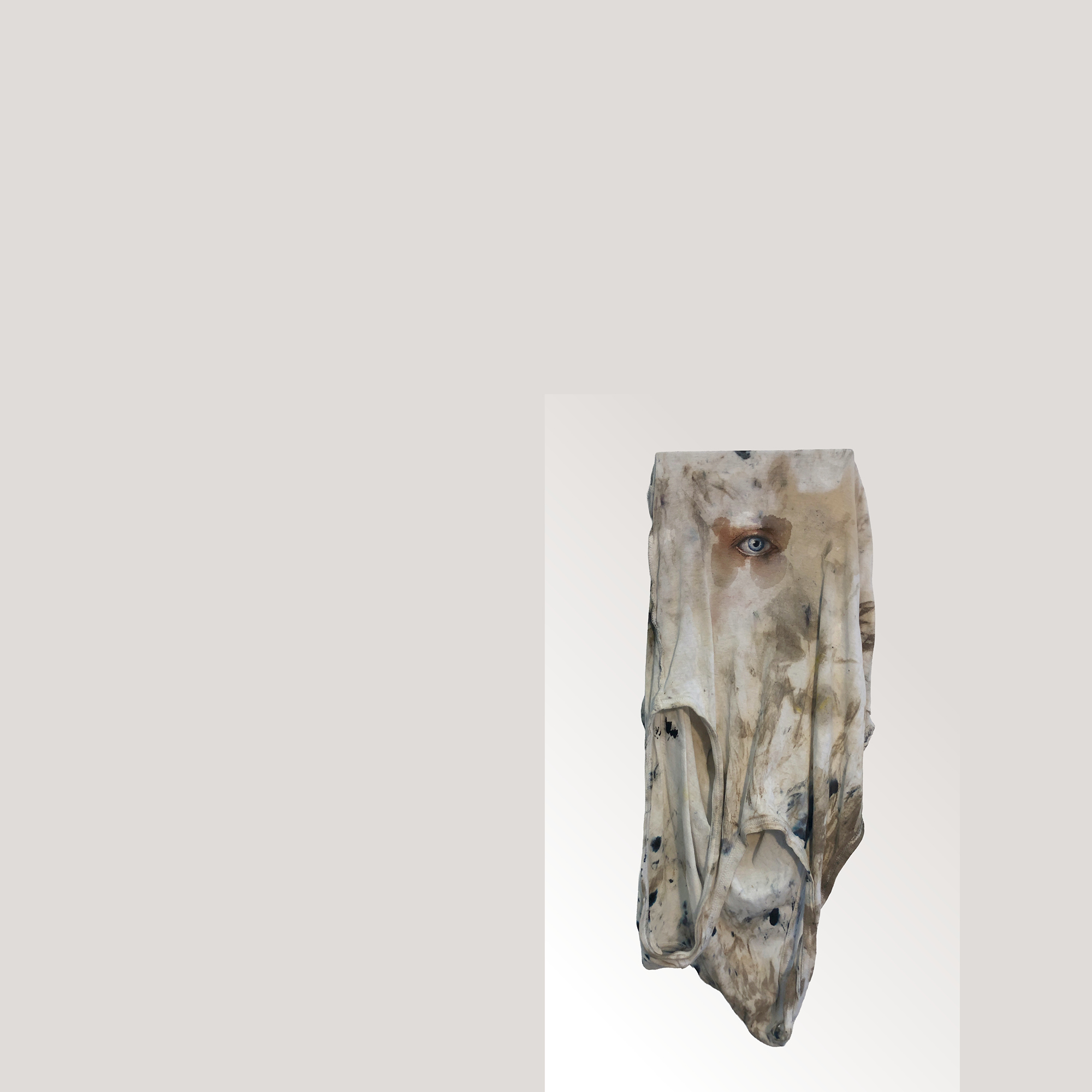
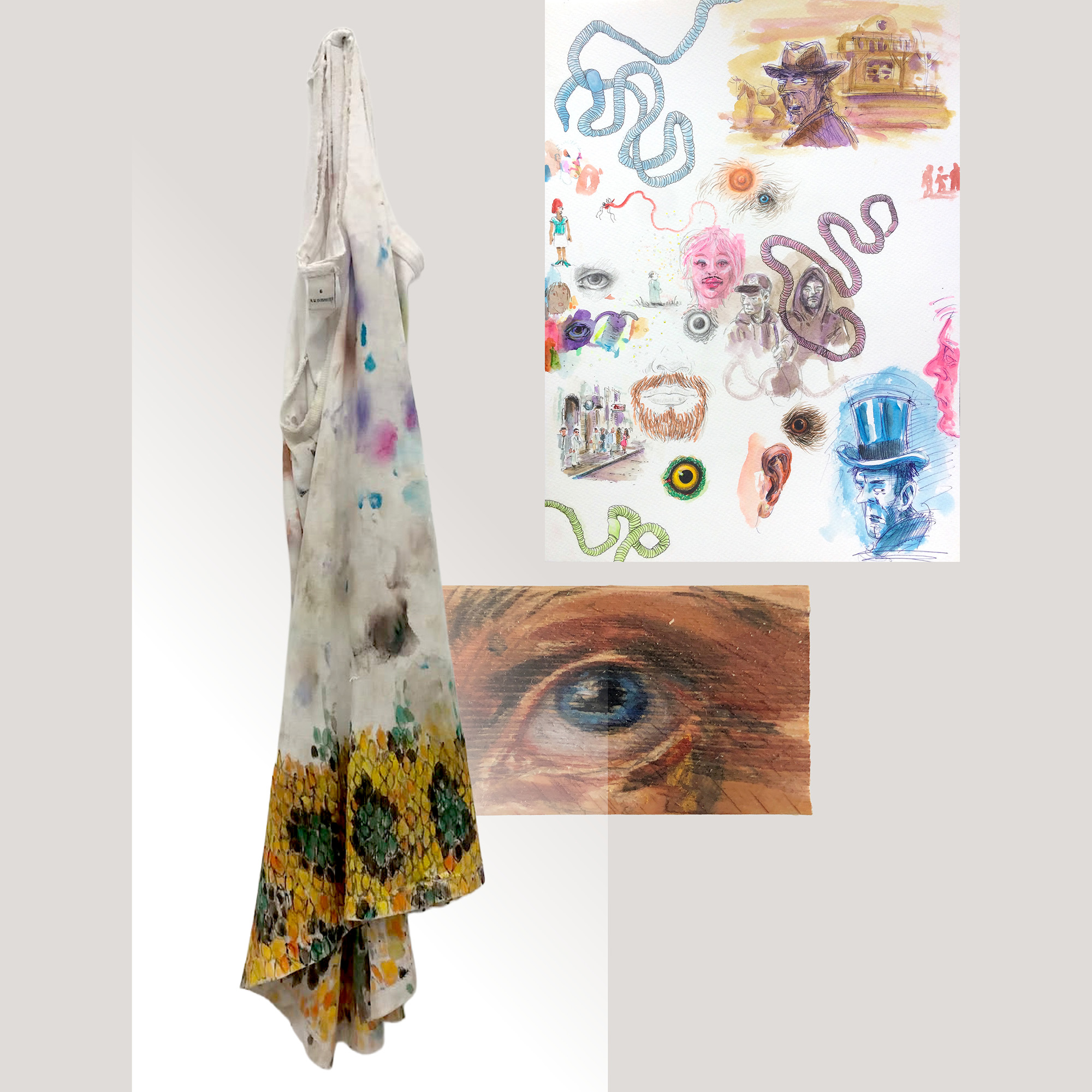
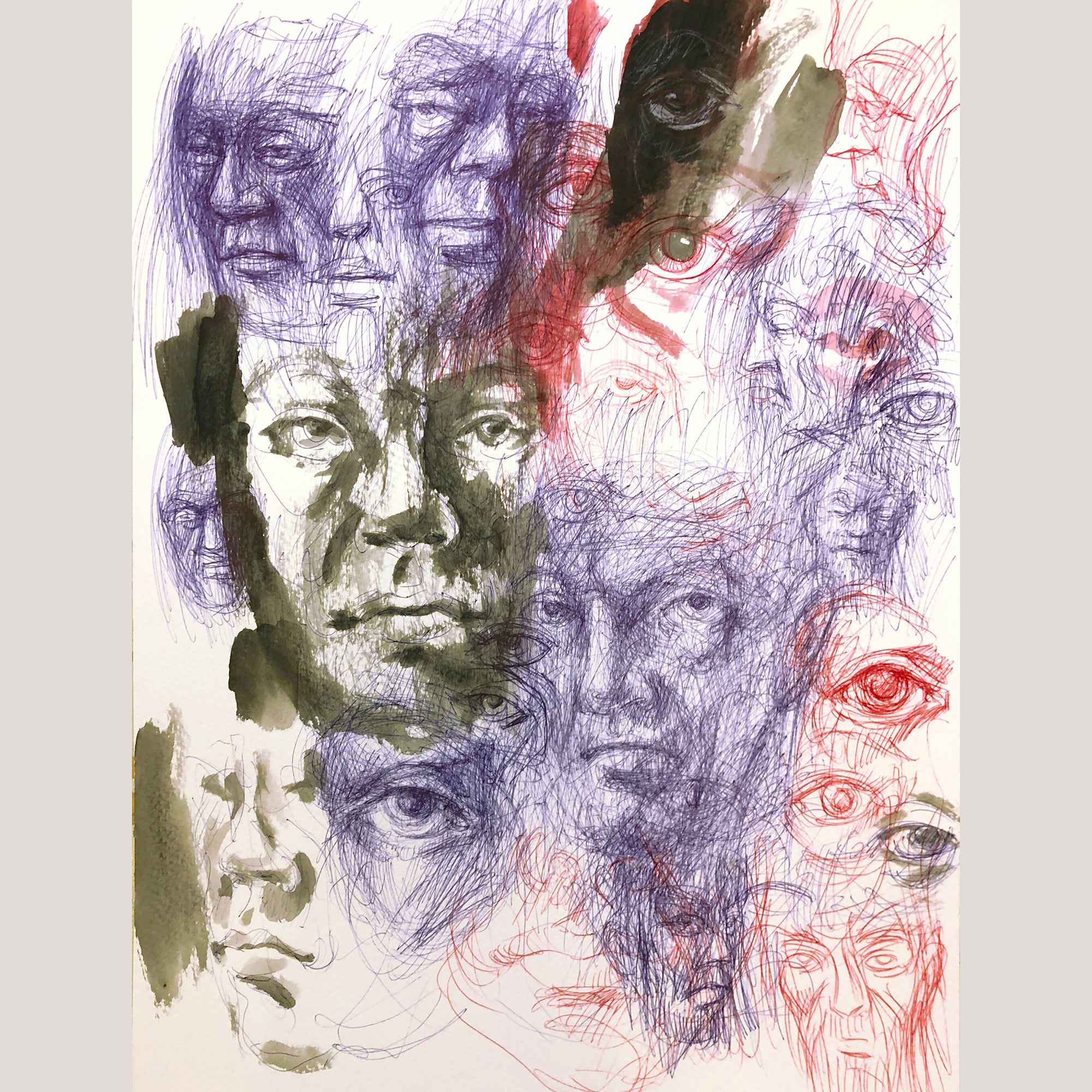
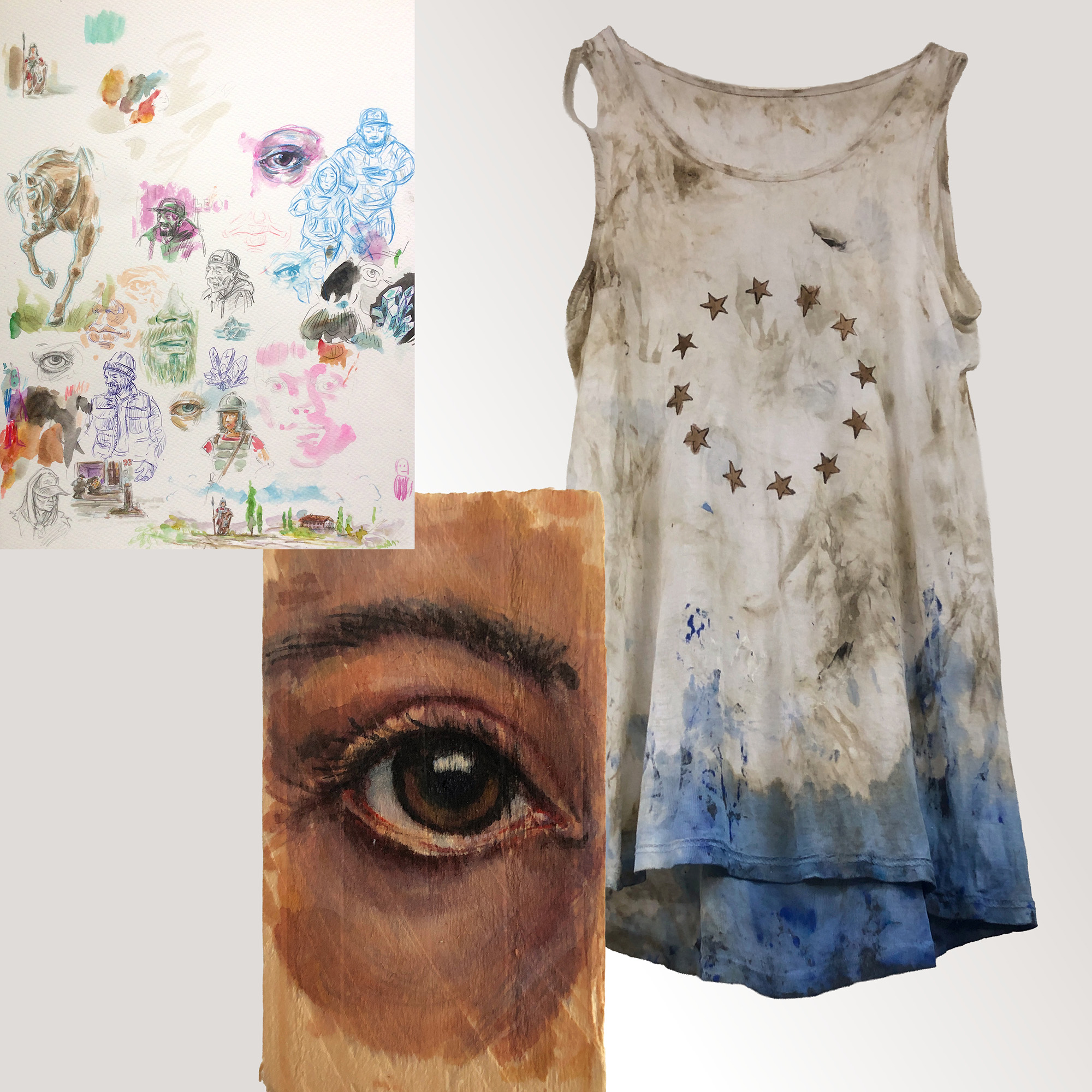
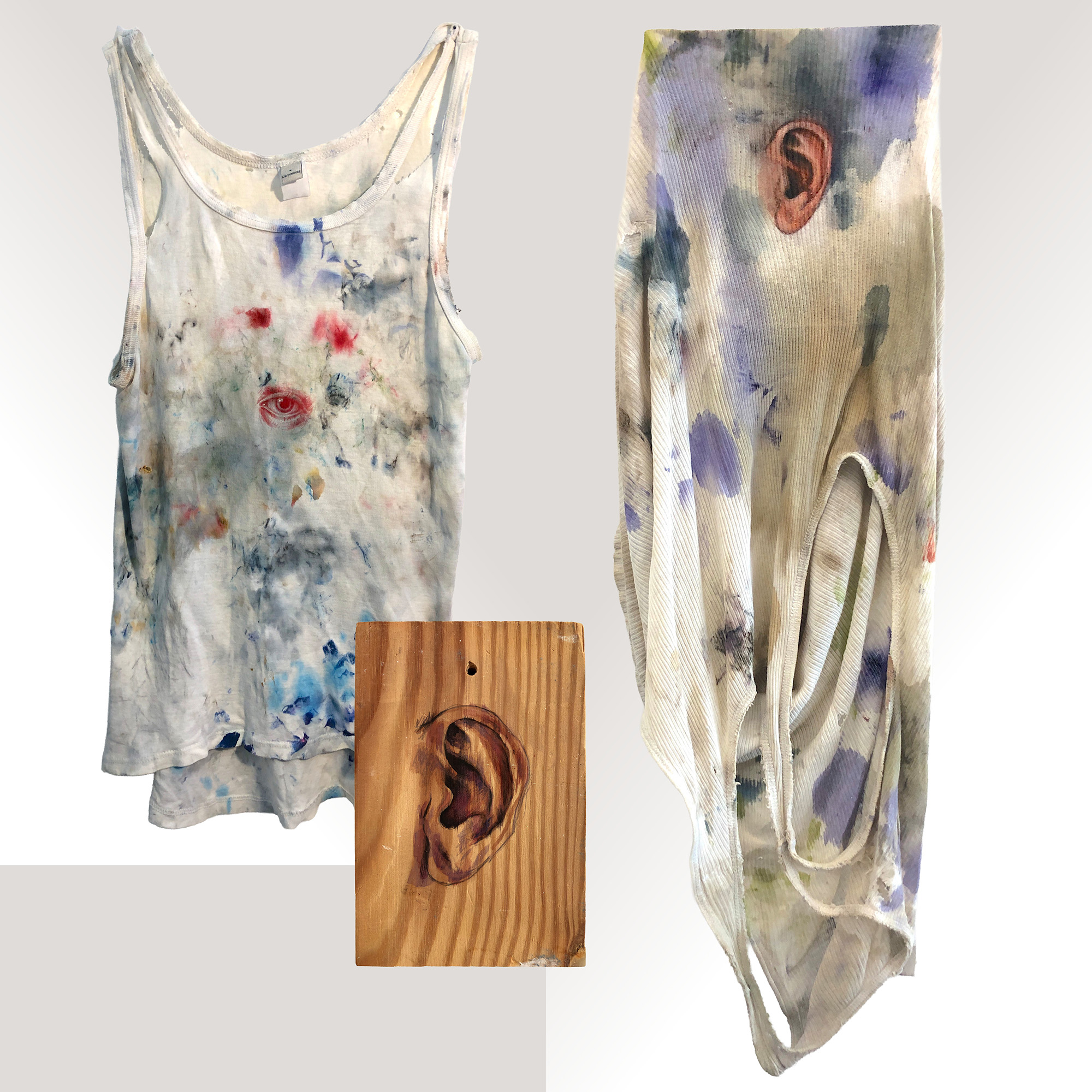
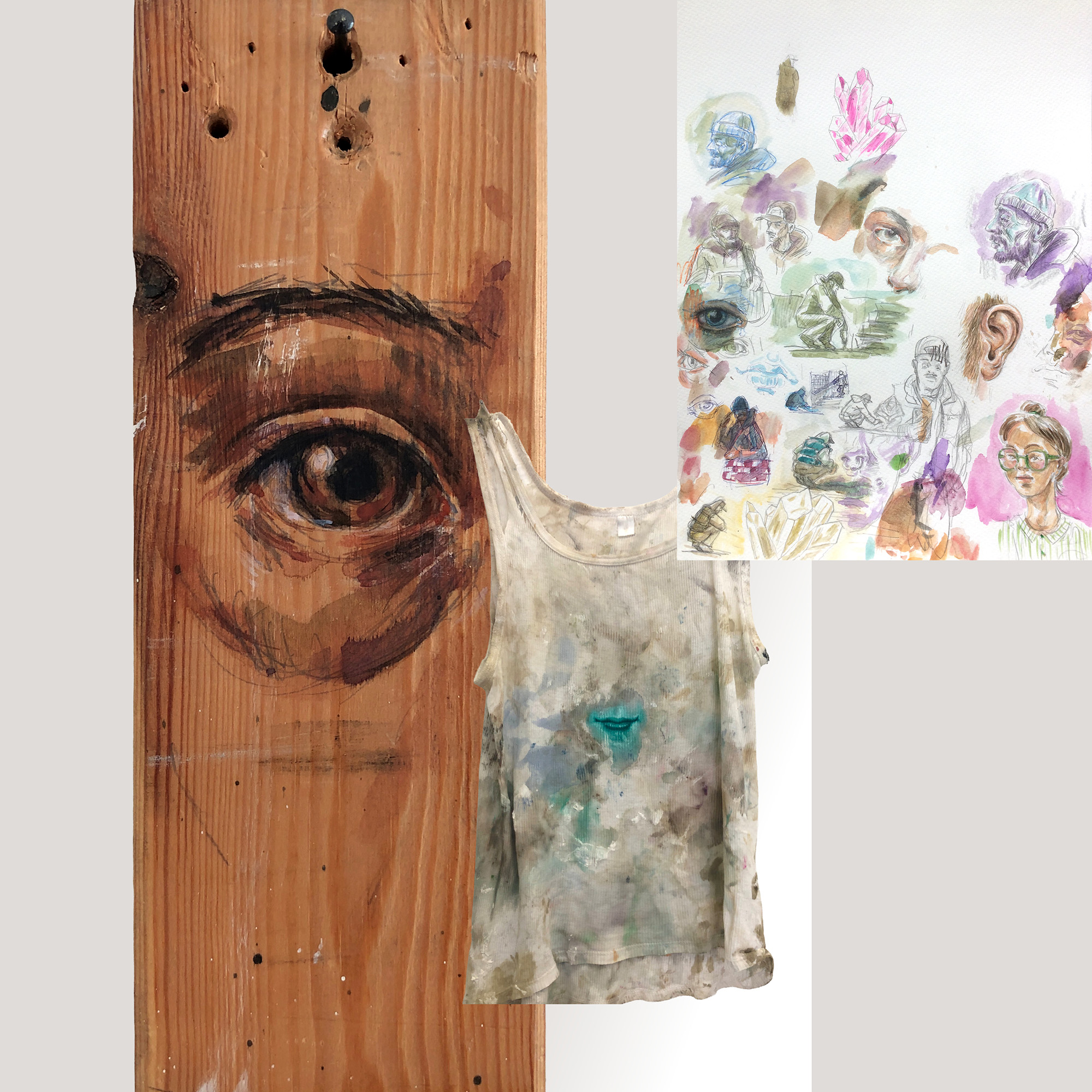
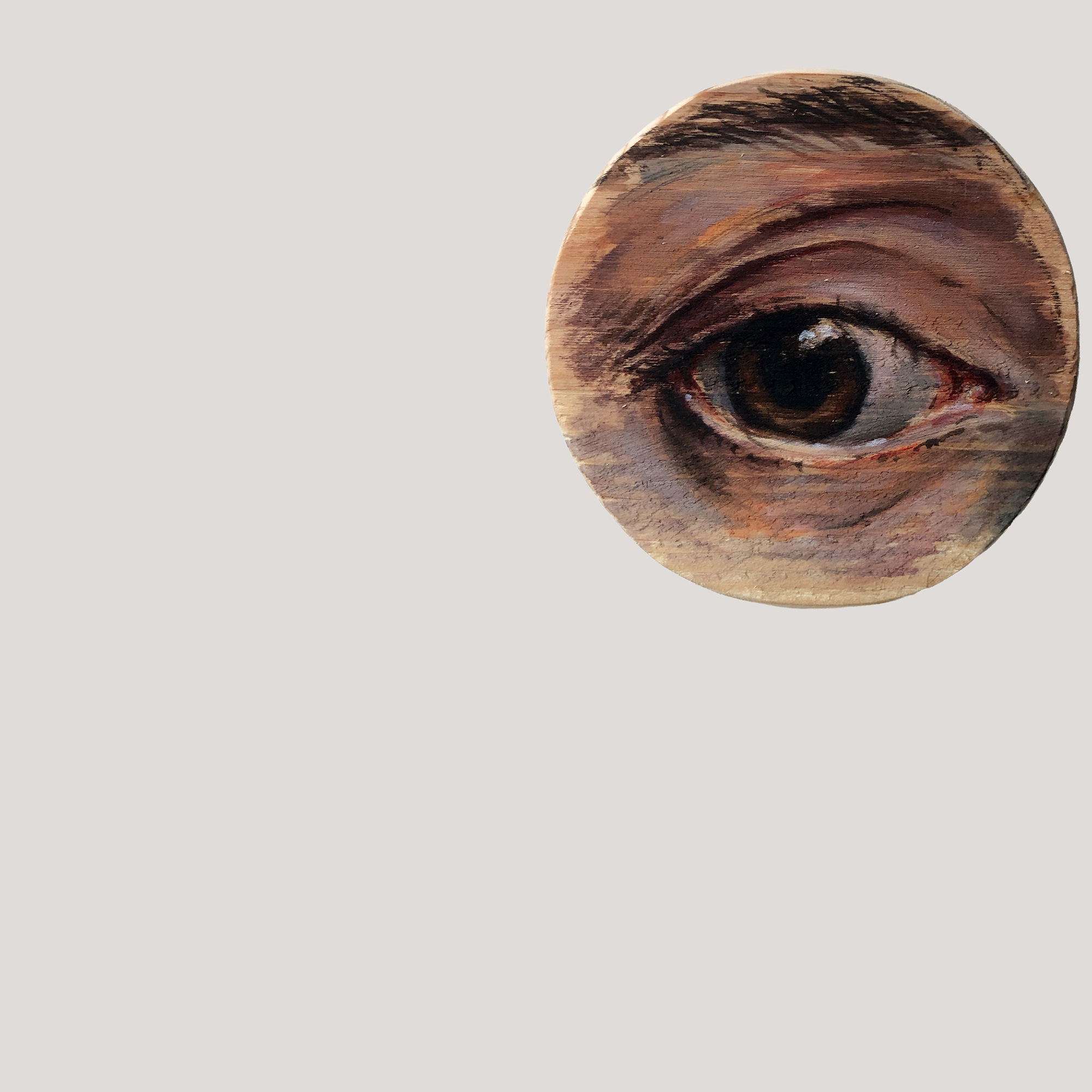
© heiko sievers – pictures with and without a purpose, with titles in general or none at all, but pictures time and again…