

godley & creme
cry, 1986
music video
while the others are dancing,
martin eugen raabenstein’s
sensor spotlight focuses on:
© godley & creme
in 1981, mtv is the logical answer to the question of why there is no radio for television – with fixed broadcast times for shows and a flow concept in which, no matter what time you turn on the tv, you can immediately listen to music – and without formats in the classical sense, but with endless, vj-hosted clip playlists. with the aim of binding the viewer completely to this channel, mtv wants to be the musical 24/7 background noise in everyone’s room and offers itself as a free, around-the-clock advertising platform for record companies. a revolutionary new form of visualization emerges that is still regarded today as the basis of modern visual language in film and advertising. it is a time of founding and experimentation, and the first video ever broadcast on mtv, “video killed the radio star,” sets the tone. russell mulcahy, the cineast, shoots his clips not only for the bangles on 35 mm but also turns duran duran’s “wild boys” into a cult work. steve barron loves the media mix: animation, live action, and early computer technology merge into hybrid videos, and the list of his milestones is long – a-ha’s “take on me,” michael jackson’s “billie jean,” and dire straits’ “money for nothing” all speak his very own visual language. the polish oscar winner zbigniew rybczyński invents complex techniques for blue screen and compositing and creates surreal, impossible spaces for art of noise and the alan parsons project. mary lambert likes to tell stories in a dark, religiously or psychologically charged visual language, and almost all early madonna clips come from her hand.
after their split from the highly successful band 10cc in 1976, the art school graduates kevin godley and lol creme devote themselves entirely to the development of a guitar attachment meant to produce orchestral sounds – the gizmo. their record label mercury trusts them as the brilliant half of a top act, but after three years of production time the resulting triple album “consequences” is too long, too experimental, and a major commercial flop. the medium of film has always been part of their artistic identity, and so they apply the technical experience gained through the gizmo in the video for their own song “an englishman in new york” in 1979. godley & creme’s natural talent for translating rhythm into images is immediately recognized, and they ask the management of the police for permission to produce the video for “don’t stand so close to me” – followed by outstanding success. now in much greater demand as directors than as musicians, duran duran and herbie hancock soon knock on their door, but under this hype the musical innovation of their own work noticeably suffers. despite false starts with their debut, the albums “l,” “freeze frame,” and “ismism” are a remarkable further development of 10cc, but from 1981 onward the magic is gone. godley & creme’s concentrated energy now flows mainly into their laboratory-like film studio. artists and technicians in one, many of their video productions emerge live and without a script through experimentation – a freedom that is not possible for them within the rigid structures of a traditional rock band.
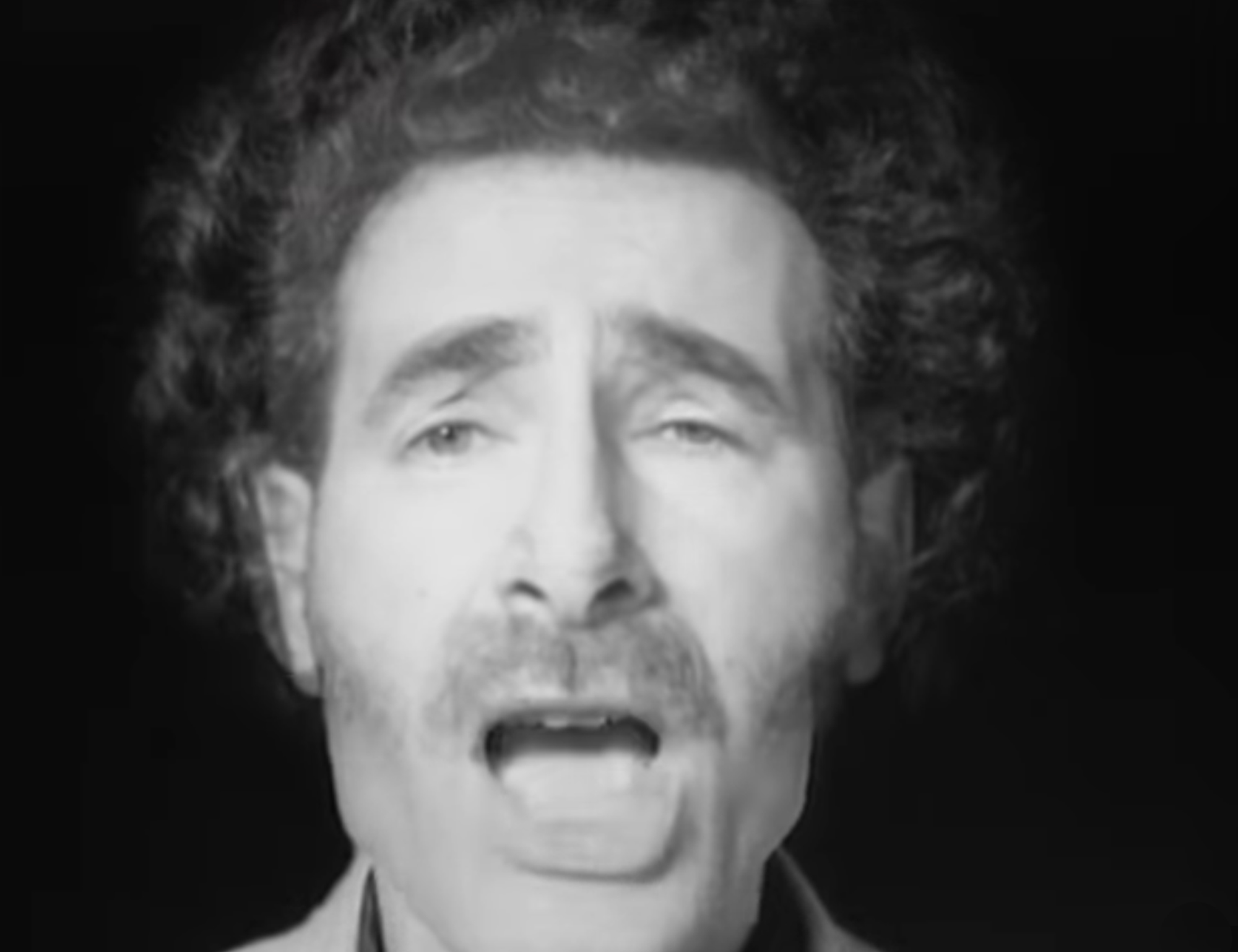
with the groundbreaking 1985 music video “cry,” godley & creme make the effect of what is still analog morphing popular long before it becomes a digital standard. through the creative reuse of originally fast wipe transitions, they achieve, by setting extremely soft transitions, the very dissolve they – naturally – discover by chance. the deliberately black-and-white aesthetic of this milestone makes it easier to match different skin tones and facial contours and, with simple analog means, creates a visually powerful anticipation of the era of digital processing that deeply impresses audiences. in 1999, paul thomas anderson uses this effect in “magnolia” and connects different protagonists through the shared emotional moment of lip-synced singing along to the soundtrack. anderson virtually rewrites the screenplay of the classic around then-unreleased lyrics by aimee mann, and passages from them transform into dialogue in the film. the song “save me” brings her an oscar and grammy nomination, and the comeback transforms the 1980s pop singer into a respected indie icon. in creative interaction with other versatile and inspired video directors, godley & creme shape the still vague profile of the music video director into a serious profession in the first place. mtv finally begins to display the names of the respective creatives and thus paves the way for future stars such as david fincher, spike jonze, and michel gondry.
iir, february 2026
1981 ist MTV die logische Antwort auf die Frage, warum es kein Radio für das Fernsehen gibt – mit festen Sendezeiten für Shows und einem Flow-Konzept, bei dem man, egal zu welcher Uhrzeit man den Fernseher einschaltet, sofort Musik hören kann – und ohne Sendeformate im klassischen Sinn, sondern endlosen, von VJs moderierte Clip-Playlists. Mit dem Ziel, den Zuschauer komplett an diesen Kanal zu binden, will MTV das musikalische 24/7-Hintergrundrauschen in jedermans Zimmer sein und bietet sich dazu als rund um die Uhr kostenlose Werbeplattform für Plattenfirmen an. Eine revolutionär neue visualisierung entsteht, die bis heute als Basis moderner Bildsprache in Film und Werbung gilt. Es herrscht Gründerzeit, und das erste ausgestrahlte Video auf MTV, „Video Killed the Radio Star“, ist Programm. Russell Mulcahy, der Cineast, dreht seine Clips nicht nur für die Bangles auf 35 mm, sondern veredelt ebenso Duran Durans „Wild Boys“ zum Kult. Steve Barron liebt den medialen Mix: Animation, Realfilm und frühe Computertechnik verbinden sich zu Hybrid-Videos, und die Liste seiner Meilensteine ist lang – A-has „Take On Me“, Michael Jacksons „Billie Jean“ und auch die Dire Straits mit „Money for Nothing“ sprechen seine ureigene Sprache. Der polnische Oscar-Preisträger Zbigniew Rybczyński erfindet komplexe Techniken für Blue Screen und Compositing und kreiert surreale, unmögliche Räume für Art of Noise und The Alan Parsons Project. Mary Lambert erzählt gerne Geschichten in einer dunklen, religiös oder psychologisch aufgeladenen Bildsprache, und fast alle frühen Madonna-Clips stammen aus ihrer Hand.
Nach ihrer Trennung von der überaus erfolgreichen Band 10cc im Jahr 1976 widmen sich die Art-School-Absolventen Kevin Godley und Lol Creme ganz der Entwicklung eines Gitarrenaufsatzes, der orchestrale Sounds produzieren soll – dem Gizmo. Ihre Plattenfirma Mercury vertraut ihnen als brillanter Hälfte eines Topacts, doch nach drei Jahren Produktionszeit ist das resultierende Triple-Album „Consequences“ zu lang, zu experimentell und ein schwerer kommerzieller Flop. Das Medium Film ist schon immer Teil ihrer künstlerischen Identität, und so setzen sie ihre durch den Gizmo gewonnenen technischen Erfahrungen im Video zu ihrem eigenen Stück „An Englishman in New York“ von 1979 ein. Godley & Cremes natürliches Talent, Rhythmus in Bilder zu übersetzen, wird umgehend wahrgenommen, und so bitten sie das Management von The Police, das Video für „Don’t Stand So Close to Me“ produzieren zu dürfen – mit überragendem Erfolg. Als Regisseure nun deutlich gefragter denn als Musiker klopfen schon Duran Duran und Herbie Hancock an ihre Tür, doch unter diesem Hype leidet die musikalische Innovation für ihre eigene Musik merklich. Trotz Fehlstarts ihres Erstlings sind die Alben „L“, „Freeze Frame“ und „Ismism“ eine bemerkenswerte Fortentwicklung von 10cc, ab 1981 fehlt dann jedoch die Magie. Godley & Cremes gebündelte Energie ergießt sich nun hauptsächlich in ihr laborartiges Filmstudio. Künstler und Techniker in einem, entstehen viele ihrer Videoproduktionen live und ohne Drehbuch im Experiment – eine Freiheit, die ihnen in den starren Strukturen einer traditionellen Rockband so nicht gegeben ist.
Mit dem wegweisenden Musikvideo „Cry“ aus dem Jahr 1985 machen Godley & Creme den Effekt des damals noch analogen Morphings populär, lange bevor dieser digitaler Standard wird. Mit der kreativen Umnutzung ursprünglich schnell gesetzter Wischblenden gelingt ihnen durch extrem weich eingestellte Übergänge jene Überblendung, die sie – natürlich – durch Zufall entdecken. Die bewusst schwarz-weiß gehaltene Ästhetik des Meilensteins erleichtert die Angleichung unterschiedlicher Hauttöne und Gesichtskonturen und erzeugt mit schlichten analogen Mitteln eine das Publikum tief beeindruckende visuelle Vorwegnahme der Ära digitaler Bearbeitung. 1999 nutzt Paul Thomas Anderson diesen Effekt in „Magnolia“ und verbindet verschiedene Protagonisten durch den gemeinsamen emotionalen Moment des lippensynchronen Mitsingens des Soundtracks. Anderson schreibt das Drehbuch des Klassikers förmlich um noch unveröffentlichte Texte Aimee Manns herum, und so verwandeln sich Passagen daraus zu Dialogen im Film. Der Song „Save Me“ bringt ihr eine Oscar- und Grammy-Nominierung ein, und das Comeback transformiert die 80er-Pop-Sängerin zur angesehenen Indie-Ikone. Im kreativen Zusammenspiel mit anderen vielseitig inspirierten Videoregisseuren formen Godley & Creme das wage Profil des Musikvideo-Regisseurs überhaupt erst zum seriösen Berufsbild. MTV beginnt schließlich, die Namen der jeweiligen Kreativen einzublenden, und ebnet so den Weg für kommende Stars wie David Fincher, Spike Jonze oder Michel Gondry.
iir, february 2026