
the good page
this episode:
bryan ferry
english eccentric
in every dreamhome a heartache
2026

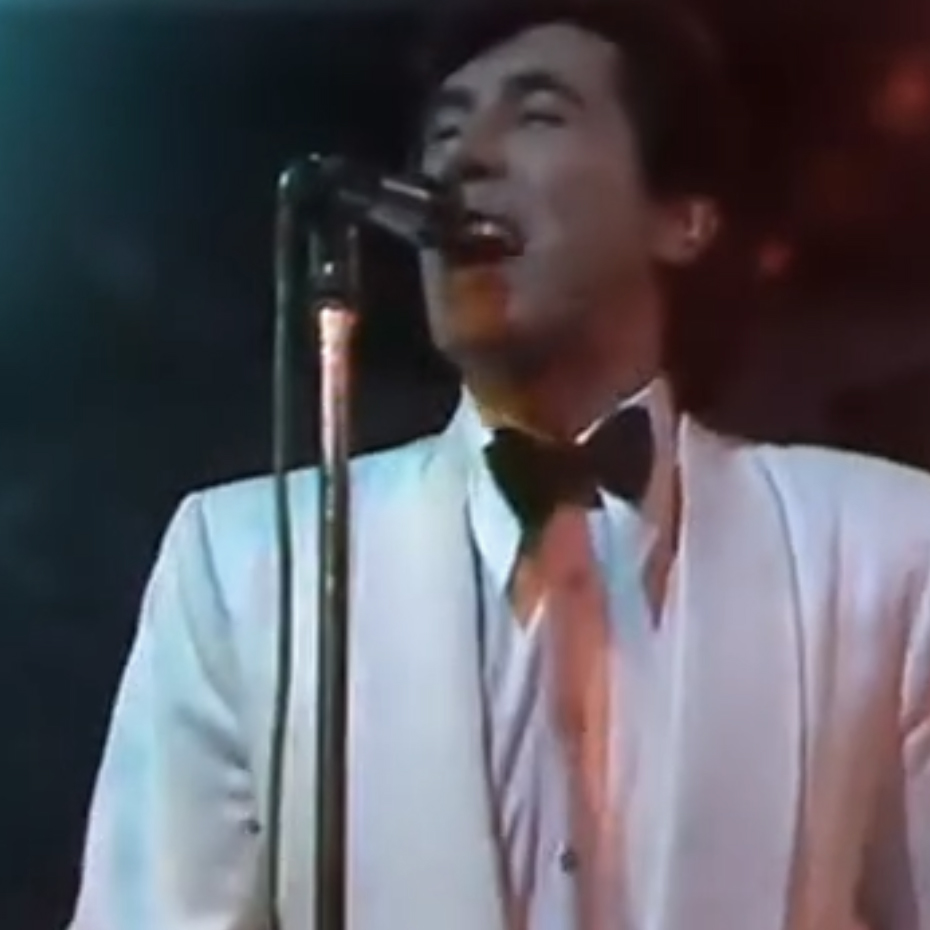
photo © musikladen
the pun is overwhelming – inflating something and blowing someone’s mind play with similar verbs in english. seen this way, the eccentric blows up his sex doll to float with her in the new pool, and she practically blows back to ripple his delighted meninges. there is no more beautiful way to play with air and the handling of it. the roxy music frontman is also otherwise not clumsy with his hands, and so many concert recordings from the early 70s look exactly as if the beautiful bryan not only dances around himself, but is physically pampered by invisible companions. guys who are into ferry at the time, heterosexuals included, are all of the same ilk – dolled up, physically sufficiently capable, self-mobile, and even the grease in their hair and in their soul flows in smoothly regulated paths. bryan ferry can only be idolized or abysmally condemned, and he knows that. he takes the malicious kick to the balls masterfully and manfully, fully aware of the manifold softer procedures that the other half of his love-hate fandom would bestow upon him, if they only could. ferry obviously serves all outward characteristics of an eccentric – the exaggerated dandy habitus, the art references from duchamp to pop art and the packaging as a work of art, furthermore staged elegance as performance – and comes across at first glance like someone who consciously goes off the tracks.
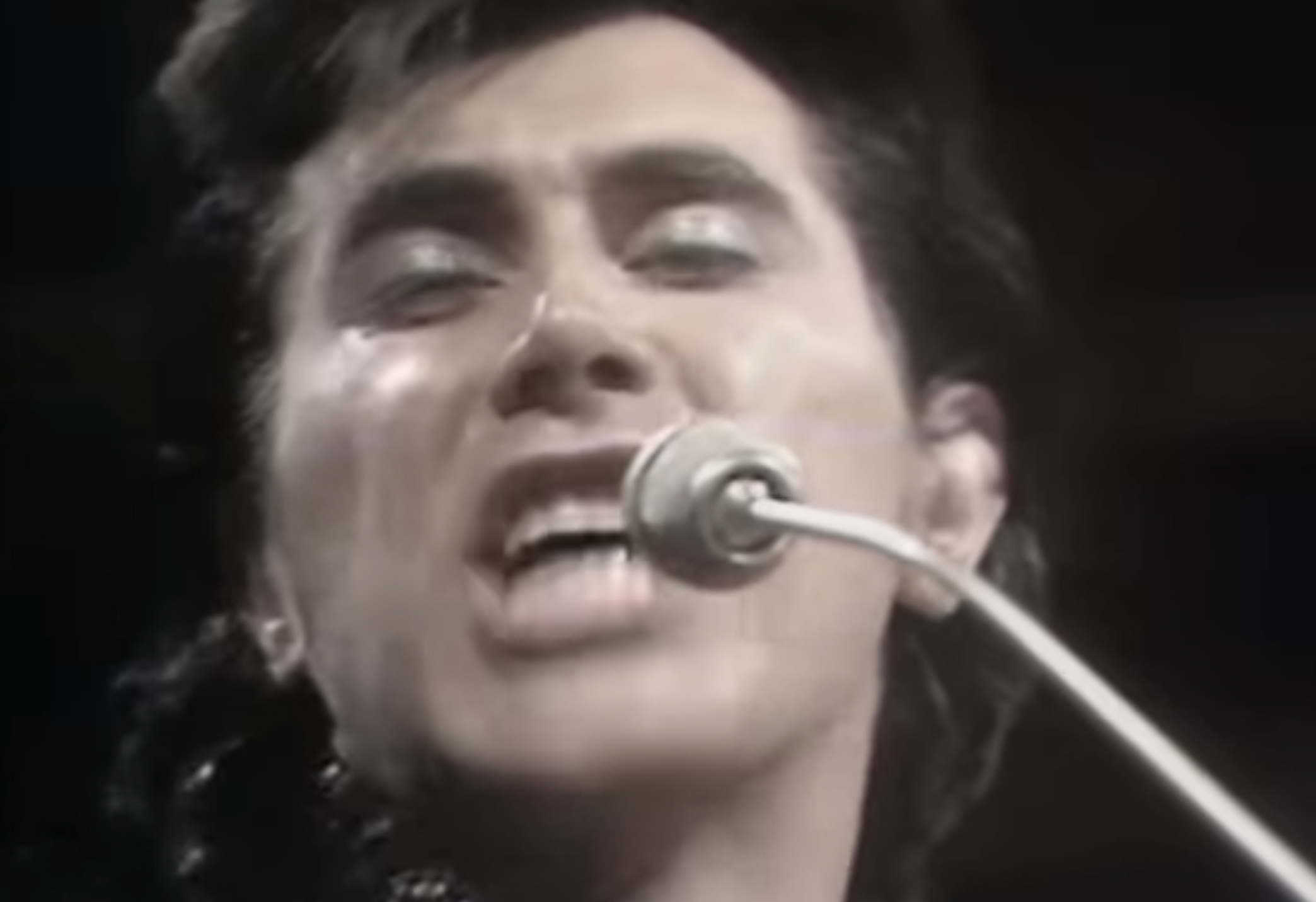
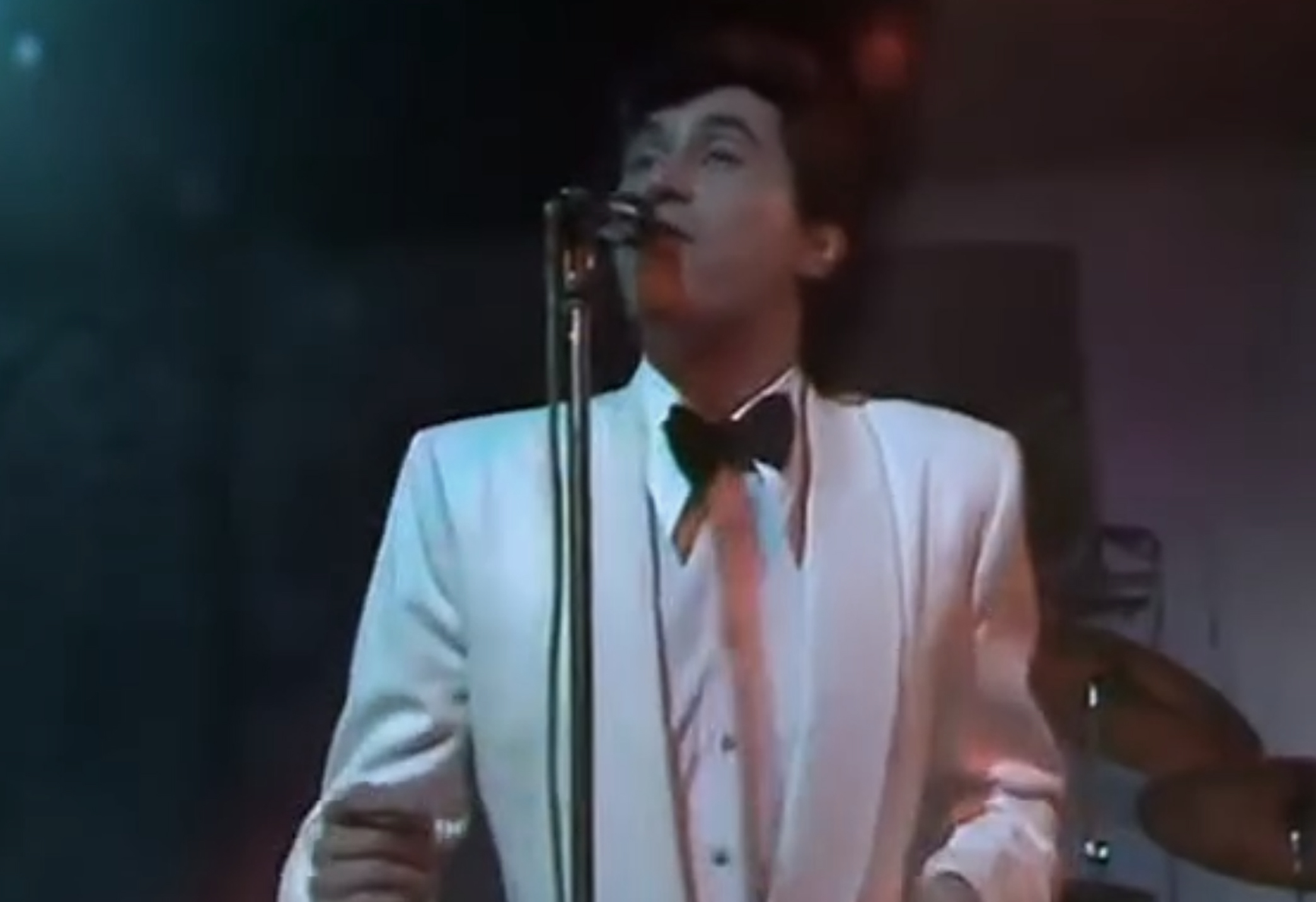
thus he marries the former playmate jerry hall, gets photographed in a jaguar and wears a tuxedo on stage, as if the stage were a ritz-carlton and the carlton simply his very own stage. the audience of the early 70s, prancing back and forth between glam and prog, needs this hyperactive figure as a projection surface. real eccentrics act out of inner urge and necessity; ferry, on the other hand, knows exactly what he has to do and where at any given moment – that is pure control and no unbridled urge. this makeup-smooth coolness is unbroken, the posture never accidental, and the seemingly unrestrainedly embodied stage poses are sharply calculated. from the durham miner’s milieu to studying art history in newcastle: the man grasps eccentricity as a stylistic device, as 24/7 method acting – he is simply an actor and not a madman. fascinatingly, the question of where this mask ends is never answered, because no one is able to ask it. ferry’s lyrics tell us more than the très chic pose; he writes almost exclusively about broken desire, an insecure distance that is aware of its own ridiculousness and observes itself while wanting. that is not eccentric, but rather highly neurotic in the classical sense and represents a consciousness that does not simply surrender itself, but immediately comments on its own felt hunger while feeling it.
the lyrics are mostly more factual than they want to sound, an event log: woman seen, woman desired, woman lost – or simply never had. pain is booked as an aesthetic event, externalized and – next … ferry never leaves the clearly curated direction of his own obsessions, but suffers eloquently and visually at a distance. on closer inspection, this represents an extremely precise description of narcissism without self-pity and is what exemplarily distinguishes him from his male contemporaries: he never whines. that is rare. bryan ferry’s cool, highly intellectual and extremely controlled form of deviation from the norm, a clear concept of „life as a total work of art“, is transformed into the pop culture era and translated into postmodernism. the working-class child and art school dandy has no high noble office laid in his cradle, his aristocracy is self-climbed and completes this rift in british society, which allows especially artists and musicians to climb the side stairs of this edifice that has bloodily defended an unwanted ascent for centuries. ferry, who studies art under the british pop art pioneer richard hamilton, now applies the principles of visual arts to himself, and lo and behold: the extremely atypical rock star in the role of the decadent, elegant singer is allowed to keep mimicking the conceptual eccentric year after year, even in times when the soft porn jazz, to which the crooner ferry condemns roxy music at the end of the seventies, has long since faded away …
iir, may 2026
Der Wortwitz ist überwältigend – etwas aufblasen und jemanden im geistigen Sinne umhauen spielt im Englischen mit ähnlichen Verben. So gesehen bläst der Exzentriker seine Sexpuppe auf, um mit ihr im neuen Pool zu treiben, und diese bläst quasi zurück, um seine entzückte Hirnhaut zu kräuseln. Schöner kann man mit Luft und dem Umgang damit nicht spielen. Der Roxy-Music-Frontmann ist auch sonst mit seinen Händen nicht ungeschickt, und so wirken viele Konzertmitschnitte aus den frühen 70ern ganz so, als tanze der schöne Bryan nicht nur um sich selbst herum, sondern werde von unsichtbaren Begleiterinnen körperlich verwöhnt. Typen, die zu der Zeit auf Ferry stehen, die Heterosexuellen eingeschlossen, sind alle vom selben Schlag – angehübscht, körperlich ausreichend tauglich, selbstbeweglich, und auch der Schmalz im Haar und in der Seele fließt in geregelt feinen Bahnen. Bryan Ferry kann nur vergöttert oder abgrundtief verdammt werden, und das weiß er. Den boshaften Tritt in die Eier verträgt er meisterlich und mannhaft, wohlwissend um die vielfältig weicheren Prozeduren, die ihm die andere Hälfte seines Love-Hate-Fandoms angedeihen lassen würde, so sie nur könnte. Ferry bedient offensichtlich alle äußeren Exzentrikermerkmale – den übertriebenen Dandy-Habitus, die Kunstreferenzen von Duchamp bis Pop-Art und die Verpackung als Kunstwerk, zudem inszenierte Eleganz als Performance – und kommt auf den ersten Blick wie jemand daher, der bewusst aus der Spur läuft.
So heiratet er das ehemalige Playmate Jerry Hall, lässt sich im Jaguar fotografieren und trägt Smoking auf der Bühne, als wäre die Bühne ein Ritz-Carlton und das Carlton schlichtweg seine ureigene Bühne. Das zwischen Glam und Prog hin- und hertänzelnde Publikum der frühen 70er braucht diese überdrehte Figur als Projektionsfläche. Echte Exzentriker agieren aus innerem Drang und Notwendigkeit heraus; Ferry hingegen weiß zu jedem Zeitpunkt sehr genau, was genau er wo zu tun hat – das ist Kontrolle pur und kein ungezügelter Trieb. Diese Make-up-glatte Coolness ist ungebrochen, die Haltung nie zufällig, und die scheinbar hemmungslos verkörperten Bühnenposen sind scharf kalkuliert. Vom Durhamer Bergarbeitermilieu zum Kunstgeschichtsstudium in Newcastle: Der Mann begreift Exzentrizität als Stilmittel, als 24/7-Method-Acting – ist eben Schauspieler und kein Wahnsinniger. Faszinierenderweise wird die Frage, wo diese Maske endet, nie beantwortet, da sie keiner zu stellen vermag. Ferrys Songtexte verraten uns mehr als die très schicke Pose; er schreibt fast ausschließlich über gebrochenes Begehren, eine sich ihrer eigenen Lächerlichkeit bewusste, sich beim Wollen selbst betrachtende, unsichere Distanz. Das ist nicht exzentrisch, vielmehr hochgradig neurotisch im klassischen Sinn und repräsentiert ein Bewusstsein, das sich nicht einfach nur hingibt, sondern den verspürten eigenen Hunger gleich mitkommentiert, während es ihn spürt.
Die Texte sind meist sachlicher, als sie klingen wollen, ein Ereignisprotokoll: Frau gesehen, Frau begehrt, Frau verloren – oder schlichtweg einfach nie gehabt. Schmerz wird als ästhetisches Ereignis verbucht, entäußert und – next … Ferry verlässt nie die klar kuratierte Regie seiner eigenen Obsessionen, sondern leidet wort- und bildkräftig auf Distanz. Bei näherer Betrachtung stellt das eine äußerst präzise Beschreibung von Narzissmus ohne Selbstmitleid dar und ist das, was ihn vorbildlich von seinen männlichen Zeitgenossen unterscheidet: Er jammert nie. Das ist selten. Bryan Ferrys kühle, hochgradig intellektuelle und extrem kontrollierte Form der Abweichung von der Norm, ein klares Konzept des „Lebens als Gesamtkunstwerk“, wird in die Popkultur-Ära transformiert und in die Postmoderne übersetzt. Dem Arbeiterkind und Art-School-Dandy wird kein Hochadelsamt in die Wiege gelegt, seine Aristokratie ist selbst erklommen und vervollständigt diesen Riss in der britischen Gesellschaft, der es vor allem den Kunstschaffenden und Musikern ermöglicht, die seitlichen Treppen dieses, über Jahrhunderte einen ungewollten Aufstieg blutig verteidigenden Gemäuers zu besteigen. Ferry, der bei dem britischen Pop-Art-Pionier Richard Hamilton Kunst studiert, wendet nun die Prinzipien bildender Kunst auf sich selbst an, und siehe da: Der äußerst untypische Rockstar in der Rolle des dekadenten, eleganten Sängers darf Jahr um Jahr immer weiter den konzeptionellen Exzentriker mimen, selbst in Zeiten noch, in denen der Softpornjazz, zu dem der Crooner Ferry Roxy Music Ende der Siebziger verdammt, schon lange verklungen ist …
iir, may 2026
© musikladen, bryan ferry 1972
© musikladen, bryan ferry 1974
in every dream home a heartache
and every step I take
takes me further from heaven
is there a heaven?
i’d like to think so
standards of living
they’re rising daily
but home oh sweet home
it’s only a saying
from bell push to faucet
in smart town apartment
the cottage is pretty
the main house a palace
penthouse perfection
but what goes on
what to do there
better pray there
open plan living
bungalow ranch style
all of it’s comforts
seem so essential
i bought you mail order
my plain wrapper baby
your skin is like vinyl
the perfect companion
you float my new pool
de luxe and delightful
inflatable doll
my role is to serve you
disposable darling
can’t throw you away now
immortal and life size
by breath is inside you
i’ll dress you up daily
and keep you till death sighs
inflatable doll
lover ungrateful
i blew up your body
but you blew my mind
oh those heartaches
dreamhome heartaches