
the good page
this episode:
noël coward
english eccentric
work is much more fun than fun
2026

© noël coward
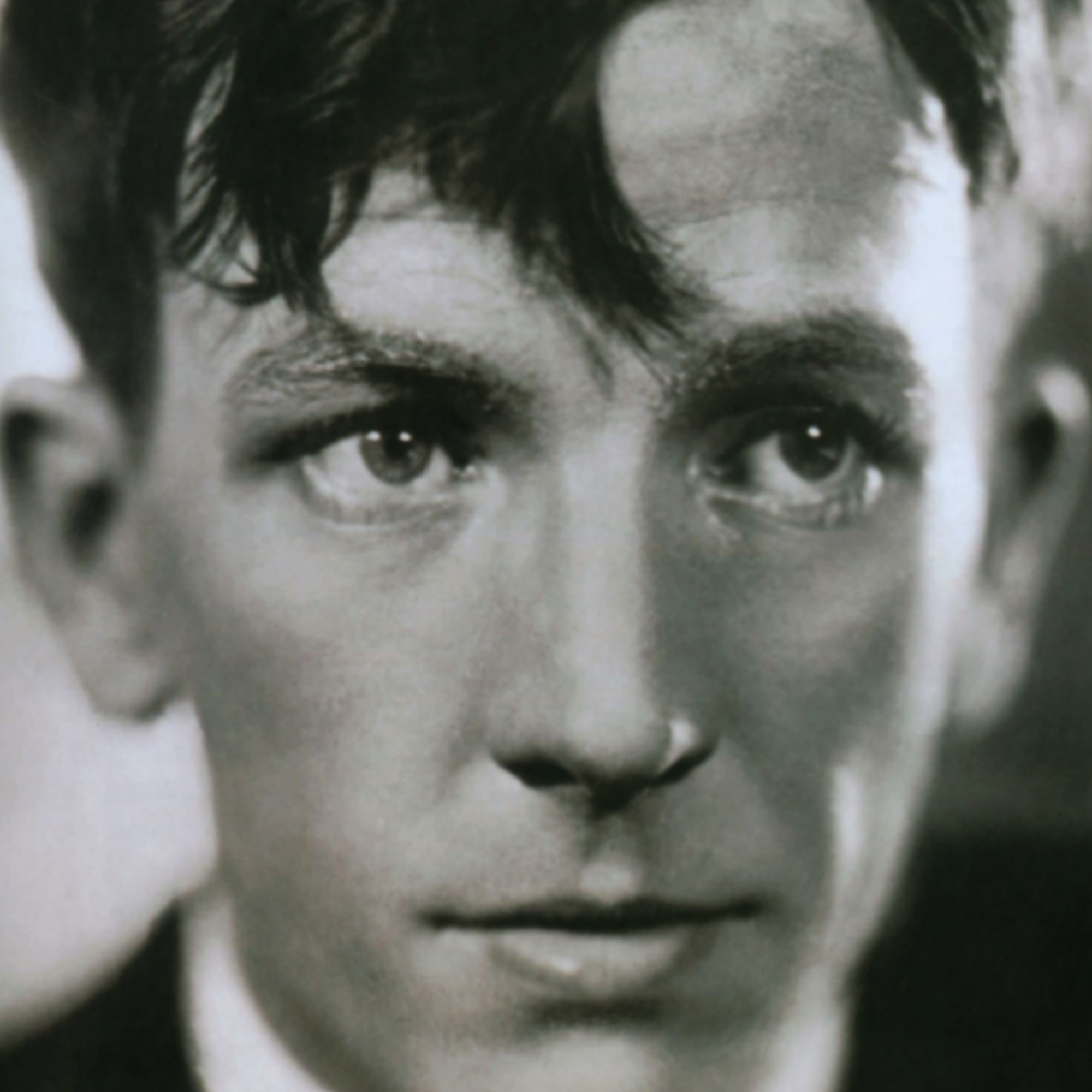
in 1911, the daily mirror publishes an advertisement in which a certain miss lila field is searching for a talented and good-looking boy for her children’s production of the fairy-tale play “the goldfish.” this marks the beginning of the turbulent career of an exceptionally gifted young man who, in 1920 at the age of 20, plays the leading role in his own play, the light comedy “i’ll leave it to you,” which is performed in manchester and in london’s west end. the observer comments that Noël Coward has a sense for comedy, and that if he can overcome his tendency toward cleverness, he will one day write a good play. the times, however, is enthusiastic and describes what it sees as remarkable, spontaneous, light, and consistently witty. in 1921, Coward travels to america and draws inspiration from broadway, which he successfully turns into the 1923 play “the young idea.” after a tour through the provinces, the london premiere is celebrated – with Coward, of course, in one of the leading roles.
the reviews are positive, describing this brilliant little farce of a “youth comedy” as accurate, since youth is everywhere, applauding it enthusiastically and letting themselves be swept along. one colleague, however, who detects bernard shaw’s inspiring influence on Coward, thinks more highly of the play than of the wildly enthusiastic fans who accompany every idea with the shout “that’s a noëlism!” but Coward himself cannot always get away with everything: the 1927 production of the disaster “sirocco,” which deals with free love among the wealthy, is widely hated by the audience, and the author is treated with disapproval and even spat upon at the premiere. the 1933 film adaptation of the historical subject “cavalcade” wins the oscar for best film, and Coward appears in “private lives” alongside the young Laurence Olivier – another major highlight and triumph. at the outbreak of the second world war, he temporarily heads the british propaganda office in paris and works for his majesty’s intelligence service to influence american public opinion in britain’s favour.
in 1942, king george vi intends to knight him for his services, but winston churchill correctly assesses public opinion regarding Coward’s extravagant lifestyle and prevents it. Coward’s later plays cannot match the popularity of his pre-war successes. throughout the 1950s and 1960s he continues to write, and with his final appearance in “suite in three keys” he retires in 1966, “before he puts on his dishevelled wings.” the trilogy receives enthusiastic reviews, becomes a box-office success, and in one of the three plays, “a song at twilight,” Coward plays an explicitly homosexual character against his usual restraint, earning further acclaim. he is seen on screen in 1959 in “our man in havana” and ten years later in “the italian job.” the title role in ian fleming’s first james bond novel adaptation “dr. no” receives an emphatic “no, no, no, a thousand times no,” and the role of humbert humbert in “lolita” also fails to meet his approval. Coward develops arteriosclerosis and eventually withdraws from acting, is knighted in 1970, and dies at the age of seventy-three from heart failure. england loses one of its most vibrant and intelligent minds – regardless of churchill…
iir, april 2026
1911 erscheint im Daily Mirror eine Anzeige, in der eine gewisse Miss Lila Field einen begabten und gutaussehenden Knaben für ihre Kinderaufführung des Märchenstücks „Der Goldfisch“ sucht. So beginnt die turbulente Karriere eines überaus talentierten Jungen, der 1920, im Alter von 20 Jahren, die Hauptrolle in seinem eigenen Stück, der leichten Komödie „I’ll Leave It to You“, spielt, das in Manchester und im Londoner West End aufgeführt wird. Der Observer kommentiert, Noël Coward habe ein Gespür für Komik, und wenn er seine Neigung zur Klugheit überwinden könne, würde er wohl eines Tages ein gutes Stück schreiben. The Times hingegen ist begeistert und beschreibt das Gesehene als bemerkenswert, spontan, leicht und stets geistreich. 1921 holt sich Coward mit einer Reise nach Amerika Inspiration am Broadway, die er als Dramatiker 1923 erfolgreich im Stück „The Young Idea“ umsetzt. Nach einer Tournee durch die Provinzen feiert man in London die Premiere – mit, selbstverständlich, Coward in einer der Hauptrollen.
Die Kritiken äußern sich positiv, empfinden diese brillante kleine Farce einer „Jugendkomödie“ als zutreffend, denn diese Jugend ist allgegenwärtig, applaudieren überschwänglich, und so lässt man sich begeistert mitreißen. Ein Kollege hingegen, der Bernard Shaws inspirierenden Einfluss auf Coward herausschnüffelt, hält mehr von dem Stück als von den tobend überschwänglichen Fans, die jeden seiner Einfälle gröhlend mit „Das ist ein Noëlismus!“ begleiten. Aber auch Coward kann sich nicht alles frech herausnehmen: Das 1927 aufgeführte Desaster „Sirocco“, das die freie Liebe unter Reichen thematisiert, wird regelrecht vom Publikum gehasst, und der Autor bei der Premiere missbilligend behandelt und bespuckt. Die 1933er Verfilmung des historischen Themas „Cavalcade“ gewinnt den Oscar für den besten Film, und Coward tritt in „Private Lives“ neben dem jungen Laurence Olivier auf – ein weiterer Höhepunkt und Triumph natürlich. Anlässlich des Zweiten Weltkriegs leitet er kurzfristig das britische Propagandabüro in Paris, arbeitet für den Geheimdienst Ihrer Majestät, um die amerikanische Öffentlichkeit zugunsten Großbritanniens zu beeinflussen.
1942 will ihn König George VI. für seine Verdienste zum Ritter schlagen, aber Winston Churchill schätzt die öffentliche Meinung bezüglich Cowards extravagantem Lebensstil richtig ein und hält ihn davon ab. Cowards folgende Stücke können nicht an die Popularität seiner Vorkriegserfolge anknüpfen. Auch in den 1950er- und 1960er-Jahren schreibt er weiterhin, und mit seinem letzten Auftritt in „Suite in Three Keys“ tritt er 1966 ab, „bevor er seine zerzausten Flügel anlege“. Die Trilogie erhält begeisterte Kritiken, ist ein Kassenschlager, und in einem der drei Stücke, „A Song at Twilight“, spielt Coward entgegen seiner bisherigen Zurückhaltung eine explizit homosexuelle Figur, was ihm weiteres Lob einheimst. Man sieht ihn auf der Leinwand 1959 in „Unser Mann in Havanna“ und zehn Jahre später in „The Italian Job“. Die Titelrolle in Ian Flemings James-Bond-Erstling „Dr. No“ erfährt ein überdeutliches „Nein, nein, nein, tausendmal nein“, und auch die Rolle des Humbert Humbert in „Lolita“ findet nicht sein Wohlwollen. Coward erkrankt an Arteriosklerose und zieht sich schließlich aus der Schauspielerei zurück, wird 1970 zum Ritter geschlagen und verstirbt dreiundsiebzigjährig an Herzversagen. England verliert einen seiner quirligsten und intelligentesten Köpfe – Churchill hin oder her …
iir, april 2026
poor little rich girl, you’re a bewitched girl
better take care
laughing at danger, virtue a stranger
better beware
the life you lead sets all your nerves a-jangle
your love affairs are in a hopeless tangle
though you’re a child, dear
your life’s a wild typhoon
in lives of leisure, the craze for pleasure
steadily grows
cocktails and laughter, but what comes after?
nobody knows
you’re weaving love into a mad jazz pattern
ruled by pantaloon
poor little rich girl
don’t drop a stitch too soon
you’re only a baby
you’re lonely, and maybe
Someday soon you’ll know
the tears you are tasting
are years you are wasting
life’s a bitter foe
with fate it’s no use competing
youth is so terribly fleeting
by dancing much faster
you’re chancing disaster
time alone will show
poor little rich girl, you’re a bewitched girl
better take care
laughing at danger, virtue a stranger
better beware
the life you lead sets all your nerves a-jangle
you love affairs are in a hopeless tangle
though you’re a child, dear
your life’s a wild typhoon
in lives of leisure, the craze for pleasure
steadily grows
cocktails and laughter, but what comes after?
nobody knows
you’re weaving love into a mad jazz pattern
ruled by Pantaloon
poor little rich girl
don’t drop a stitch too soon
—
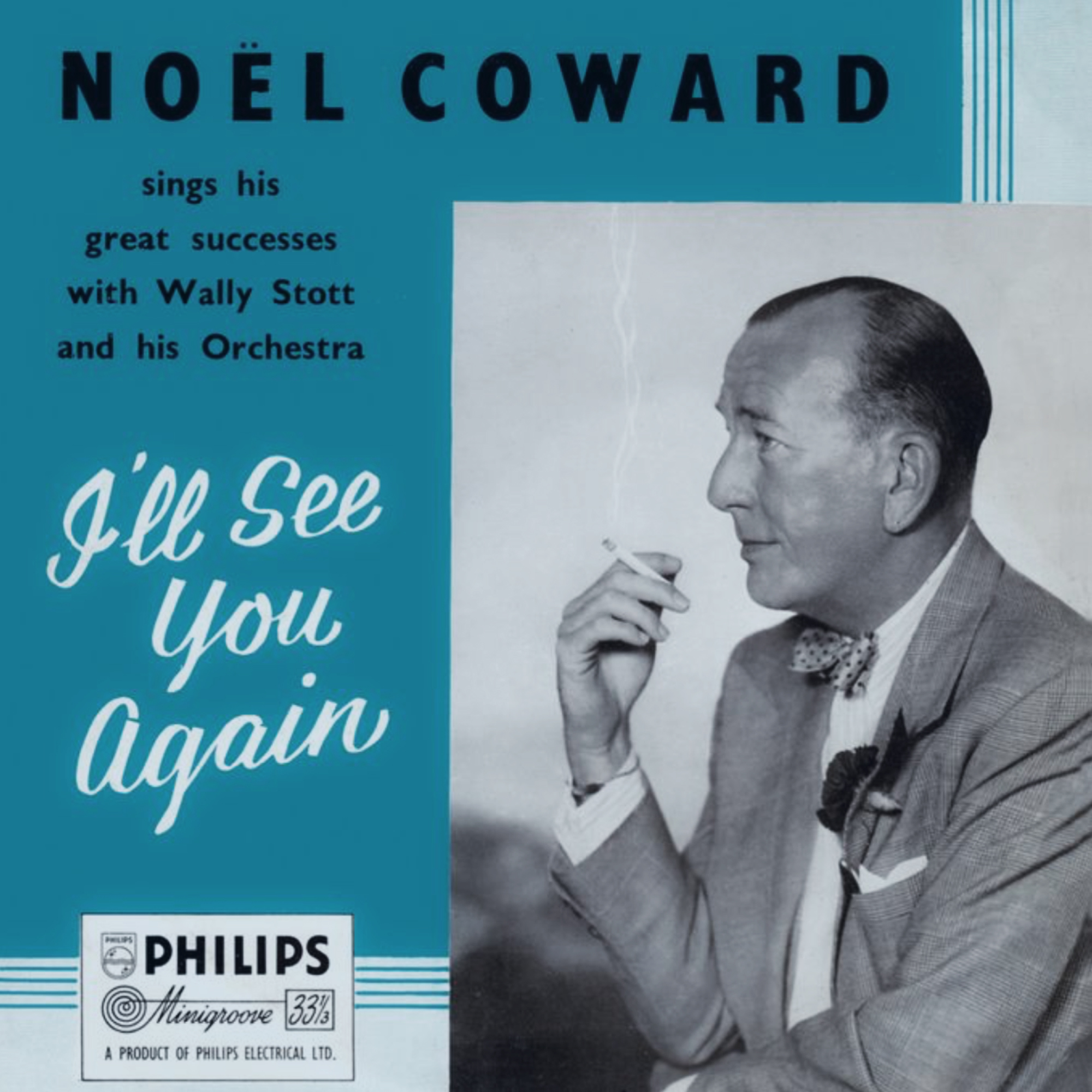
the song poor little rich girl was written by noël coward in 1930 –
belonging to his revue-tracks-era around the play private lives and
later becoming well known through various interpretations.
—